How to Prepare for a C-3 Short-Term Visit Visa and Key Points to Note


Today, I would like to explain the C-3 short-term visit visa, with a particular focus on the C-3-4 visa, which is most commonly used for business trips or business-related visits to Korea. I will also cover the C-3-1 visa, which many applicants ask about alongside the C-3-4.
The C-3 visa is designed for foreigners who plan to visit Korea for less than 90 days for business-related purposes such as sales activities, consultations, or meetings. It is frequently used when Korean companies invite overseas partners or business associates to Korea.
Within the C-3 visa category, different visa types apply depending on the purpose of the visit.
Both visas allow a maximum stay of up to 90 days.
If the visit is tied to a specific event such as an exhibition, conference, or forum with fixed dates, the C-3-1 visa is usually more suitable.
On the other hand, if the main purpose is company-to-company meetings or business negotiations, rather than event participation, the C-3-4 visa is commonly chosen.
In practice, these two visa types are the most frequently used options when Korean companies invite overseas business partners.
C-3-1 and C-3-4 visas cannot be applied for in Korea. Applicants must submit their application in person at a Korean embassy or consulate abroad.
One important point to note is that required documents and procedures may vary slightly by country.
The basic documents commonly required include:
In particular, the invitation letter and letter of guarantee must be submitted in original form, and in some countries, notarization is mandatory.
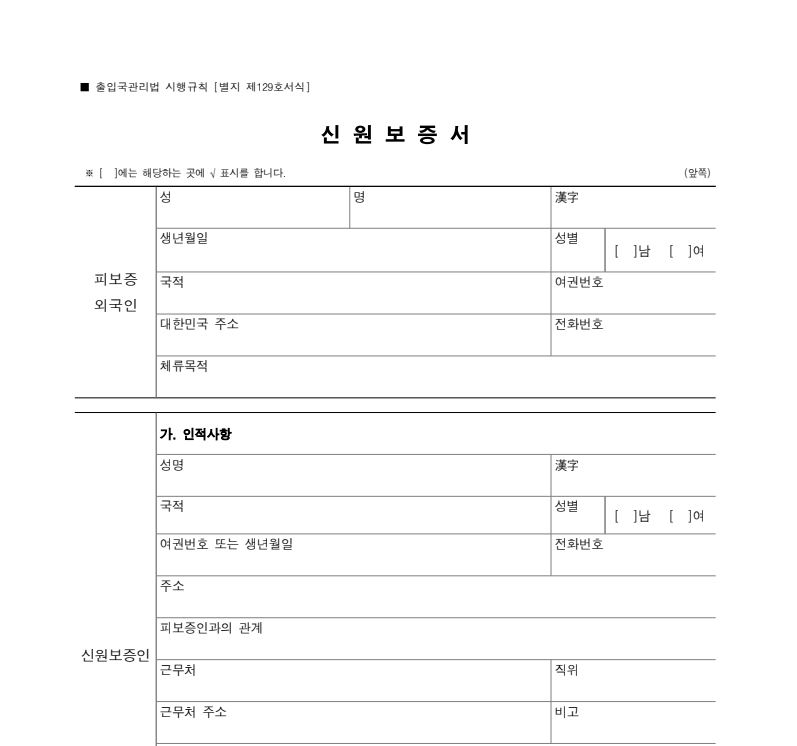
For example:
Because requirements differ by embassy or consulate, it is essential to check the specific visa guidelines of the relevant diplomatic mission before applying.
The most important factor in a C-3 visa application is the credibility and authenticity of the invitation purpose.
Rather than submitting only an invitation letter, it is highly recommended to prepare supporting documents that clearly demonstrate the purpose of the visit.
For C-3-1 visa applications, applicants must submit documents related to the event, such as exhibitions, conferences, or forums.
Additionally, providing a meeting schedule or overall itinerary for the visit to Korea can be very helpful.
If there is an existing contract between the two companies, submitting the contract is recommended.
If there is a history of prior transactions, documents such as invoices can also positively affect the likelihood of visa approval.

Processing times vary depending on the country and diplomatic mission.
🔖However, since timelines vary by country and embassy conditions, it is advisable to begin preparations at least one to two months in advance.
One critical point to be aware of is that if the stated purpose of invitation does not align with the submitted documents, or if the documentation is incomplete or poorly prepared, the visa may be denied.
In many cases, even if a visa is denied, specific reasons for refusal are not disclosed due to personal data protection policies.
While the C-3-1 and C-3-4 visa processes may appear complex, selecting the correct visa type based on your visit purpose and preparing documents carefully according to country-specific requirements can ensure a smooth and reliable application process.


.png)
.jpg)