Preparing for Dual Citizenship at Age 65 and Over


Today, I’ve gathered the most common questions from those who are preparing to restore Korean nationality. If you read through this guide, most of your questions about the nationality restoration process should be clearly answered.
A.
There are two essential procedures that everyone must complete before proceeding with nationality restoration.
The first is the report of loss of Korean nationality, and the second is applying for an F-4 Overseas Korean visa and completing residence registration.
If you acquired U.S. citizenship, your Korean nationality was already lost automatically at that time. However, to apply for an F-4 visa and proceed with nationality restoration, filing the report of loss of nationality is mandatory.
A.
There are two available options:
The same applies to the F-4 visa. You may:
Enter Korea first and complete both the F-4 visa application and residence registration domestically.
A.
Residence registration must be completed after entering Korea, and the responsible office depends on where you register your place of residence.
One important point to note is that not all Immigration Offices have a Nationality Division.
Nationality restoration applications must be processed by the Nationality Division that has jurisdiction over your place of residence.
If the Immigration Office where you complete residence registration has a Nationality Division, you can proceed with both processes at the same location.
For example, if you register your residence in Dongdaemun-gu, Seoul, the Immigration Office with jurisdiction over your residence is the Sejongno Branch of the Seoul Immigration Office. However, since the Sejongno Branch does not have a Nationality Division, residence registration must be completed there, while the nationality restoration application must be submitted at the Seoul Immigration Office.
A.
The government application fee is KRW 200,000. Processing time is typically around seven months, though it may take longer depending on application volume and review conditions at the time of submission.
A.
Short trips of around two weeks to the United States generally pose no problem.
However, if you leave Korea immediately after applying and remain abroad for an extended period—planning to return only after approval—the review process may be placed on hold. This can result in a longer overall processing time.
A.
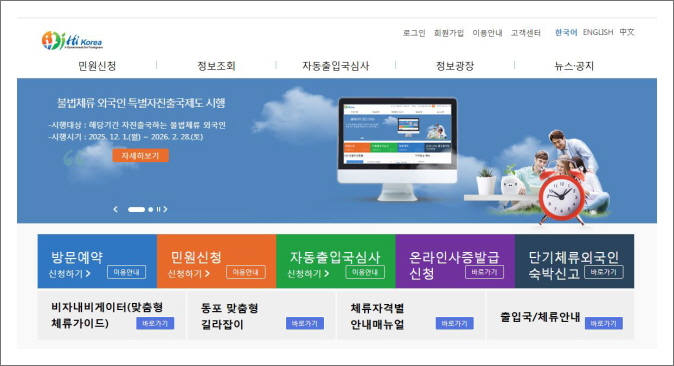
You can visit the HiKorea website and enter your application receipt number and passport number to check your application status.
Through HiKorea, you can confirm whether the first review has been completed and whether final approval has been granted.
A.
You will receive a text message notification once the first review is completed.
When final approval is granted, you will be contacted and instructed to attend the Nationality Restoration Oath Ceremony.
A.
Yes. After approval, you must complete three additional procedures:
A.
If your contact number changes, call the Immigration Contact Center (1345) and report the new number.
After updating your information, all notifications regarding your application status and approval will be sent to the updated phone number.
A.
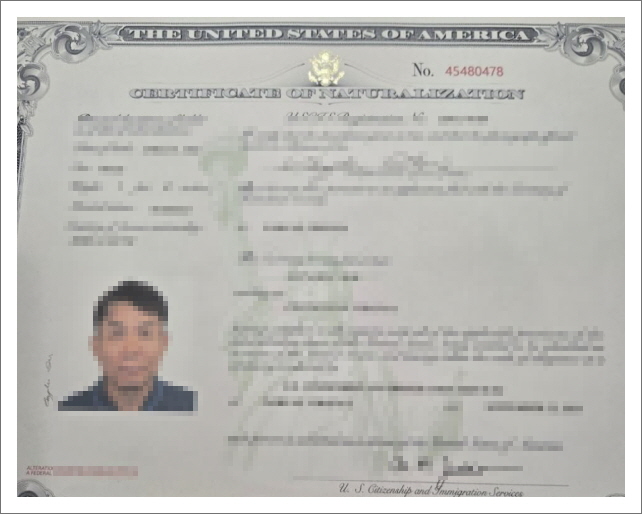
While it’s difficult to explain every document in detail, the most important document is the original naturalization certificate.
As long as you have the original citizenship certificate, the remaining documents can generally be prepared in Korea. Most additional documents can either be completed on-site or issued through local community centers, so there is usually no need to worry excessively about them.


.png)
.jpg)